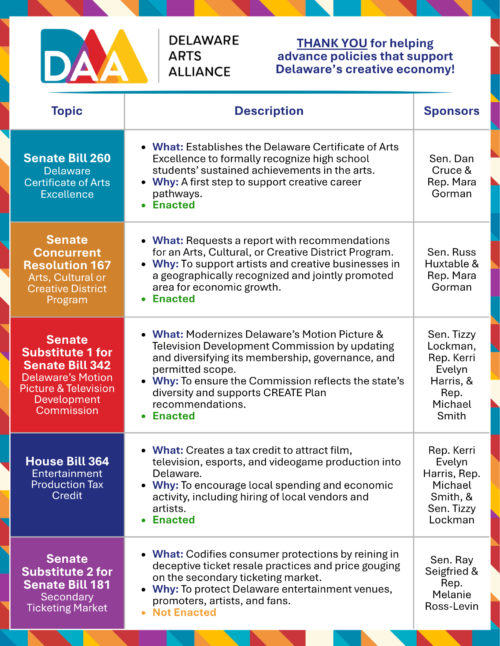
2026 End of Legislative Session Summary
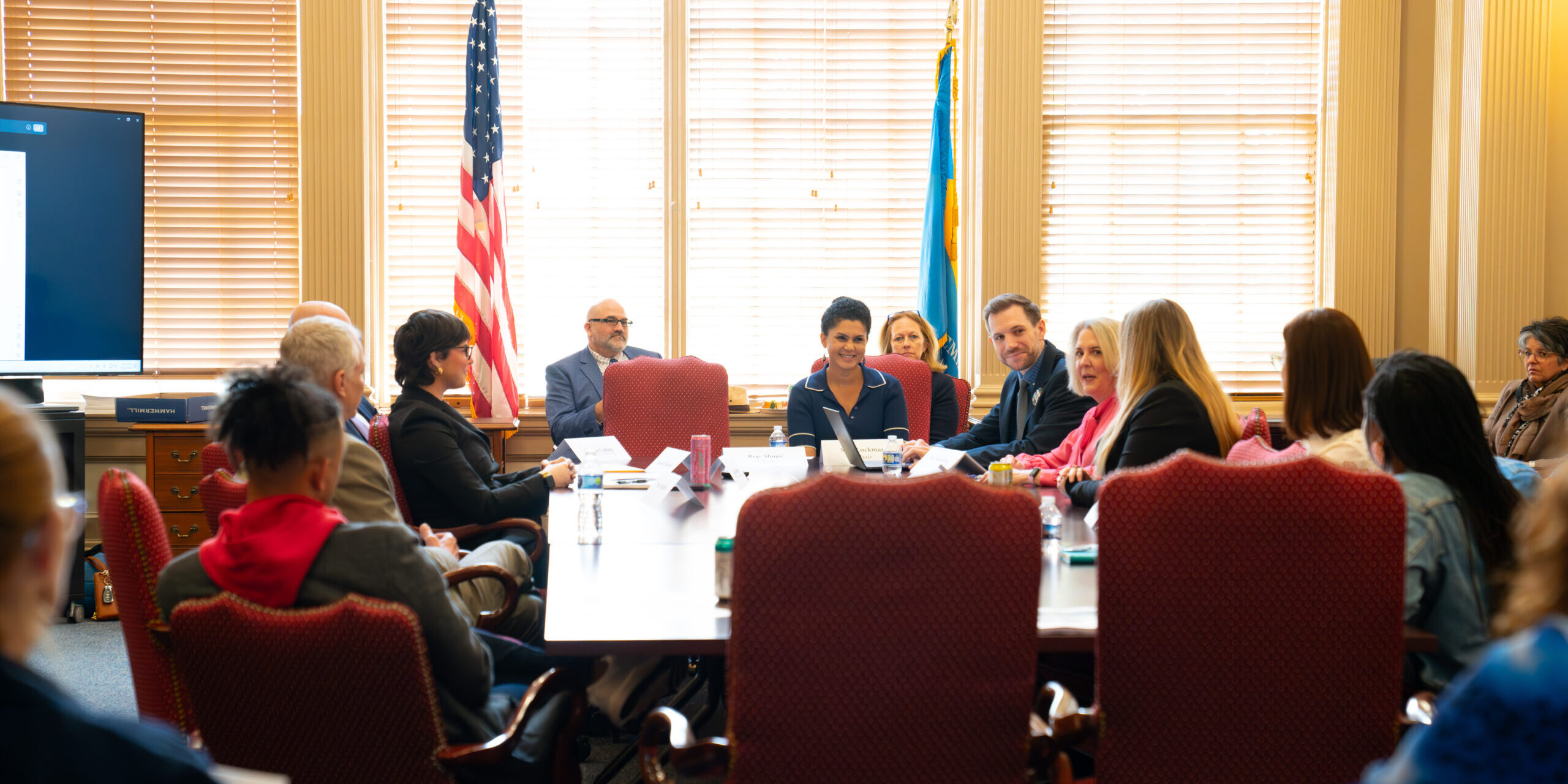
During the early hours of July 1st, the legislature gaveled out to end the 153rd Delaware General Assembly, marking what we believe to be the most active General Assembly in terms of bills related to the creative economy.
I want to thank you for your part in making this possible. Together, we are bringing the CREATE Plan to life and making important steps to grow and sustain Delaware’s creative economy.
Read on for information on 2026’s legislative session, or check out our one-pager and legislation tracker for quicker snapshots.
Policy Wins
1) SB260 Enacted: Delaware’s Certificate of Arts Excellence
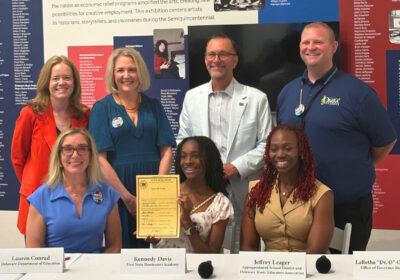
Senate Bill 260, a bill establishing a Certificate of Arts Excellence for high school students, introduced by primary sponsor, Senator Dan Cruce, and co-prime sponsor, Representative Mara Gorman, received a ceremonial bill signing at the Delaware Art Museum on June 4.
The DAA helped develop this legislation and supported its passing through both chambers with public comment and discussion at the March for the Arts, Arts & Culture Caucus. We are grateful to aid in recognizing Delaware’s exceptional arts students and the role talented arts educators play in fostering their skills.
SB260 implements one of the recommendations from the February 2026 report “Opportunities for Delaware Pathways to Support the Creative Economy“, which was developed thanks to Senate Concurrent Resolution 109 which DAA successfully helped pass during the 2025 legislative year. Policymakers and advocates support SB260 as a first step to help increase arts enrollment, elevate the value of arts education, and support students interested in pursuing creative professions.
DAA will continue supporting DDOE’s work in implementing the Certificate of Arts Excellence for the 2027-2028 school year.
2) SCR167 Enacted: Requesting an Arts, Cultural, or Creative Districts Program Report
Senate Concurrent Resolution 167, led by Primary Sponsor Senator Russ Huxtable and Co-Primary Sponsor Rep. Mara Gorman, has been enacted, requesting a report by April 2027 from the Division of the Arts & Division of Small Business with recommendations for an Arts, Cultural, or Creative District Program for Delaware.
Arts & Culture Districts are special areas, designated or certified by state governments, that utilize cultural resources to encourage economic development and cultivate synergies between the arts and other businesses. These districts are often place-based (geographically defined), state-recognized, and arts-anchored (featuring a concentration of arts assets).
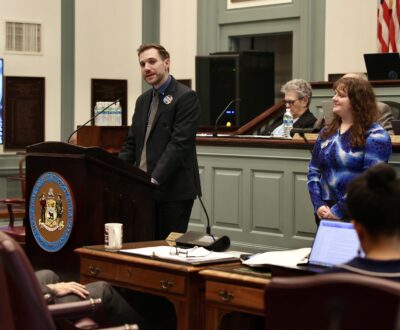
DAA helped develop this legislation and supported its passing through both chambers, including hosting a presentation during May’s Arts & Culture Caucus and testifying on the Senate floor. DAA will offer support to the Division of the Arts and Division of Small Business in collecting information for this report and will support the implementation of the recommendations resulting from this report.
Read more about Arts Districts and their alignment to the CREATE Plan on DAA’s blog.
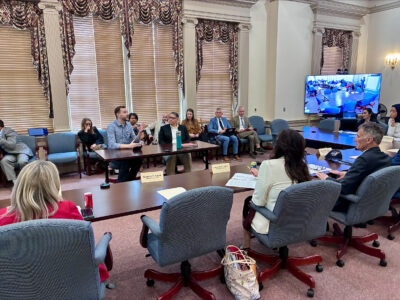
3) Bills passed to modernize Delaware’s film and media-production industry
Building off Governor Meyer’s leadership, the legislature delivered the following investment and policy to modernize Delaware’s film and media-production industry:
House Bill 364 with House Amendment 2, sponsored by Representative Kerri Evelyn Harris, Representative Michael Smith, and Senator Tizzy Lockman, creates a film production tax credit “to encourage artistic endeavors and investment in Delaware in the film, television, esports, and videogame industries, and the economic opportunities that come with them.” Managed by the Division of Small Business, the maximum amount of credit awards in any fiscal year may not exceed $10M. The Secretary of State, with input from the Delaware Motion Picture and Television Development Commission and the Division of Small Business, will prioritize applicants based on expected benefit to the State which includes employment of Delaware residents, vendors, and facilities.
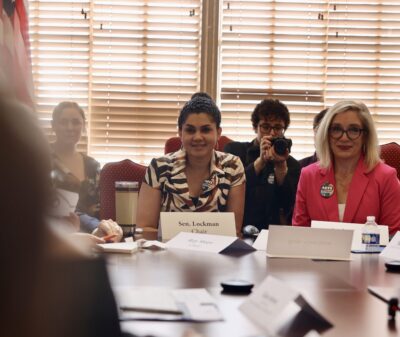
Senate Substitute 1 for Senate Bill 342, sponsored by Sen. Tizzy Lockman and Rep. Kerri Evelyn Harris, modernizes the Delaware Motion Picture and Television Development Commission by updating and diversifying the membership, establishing more transparent governance procedures, and expanding the permitted scope. Specifically, SS1 for SB342:
-
- Updates membership to include specific industry and labor representatives and ensure that the Commission’s membership reflects the racial, gender, and geographic diversity of the State.
- Authorizes the Commission to undertake the following activities, many of which are aligned to specific CREATE Plan recommendations that DAA helped to incorporate.
- Assisting productions in navigating the permitting process, which includes developing a standardized statewide permit application
- Coordinating with the Delaware Prosperity Partnership for business attraction functions.
- Developing a comprehensive film-ready database of shooting locations.
- Providing assistance to productions with hiring local crews, vendors, and other production support.
- Defining a Commission scope that extends beyond traditional film and television to include the broader new media and digital landscape.
DAA appreciates Sen. Tizzy Lockman and Rep. Kerri Evelyn Harris for the leadership on these efforts, including adding language to Senate Substitute 1 for Senate Bill 342 to incorporate specific CREATE Plan recommendations.
Learn more in DAA’s blog, Delaware Film Incentives.
Read Neil’s letter to the House Revenue and Finance Committee on HB364 here.
Read Neil’s letter to the House Administration Committee on SS1 for SB342 here.
4) SS2 for SB181, Legislation to Regulate Third Party Ticket Sales, Makes Progress But Not Enacted
While Senate Substitute 2 for Senate Bill 181 did not become law during this legislative session, we have made significant progress in raising awareness among members of the General Assembly about the challenges posed by an unregulated secondary ticketing market for venues and consumers.
SS2 for SB181 would introduce consumer protections intended to reign in deceptive ticket resale and curb price gouging, a real problem affecting Delaware performing venues and ticket-buyers. Learn more here, Ticketing One-Pager.
Over the past several months, DAA and its members successfully educated lawmakers, built support among stakeholders, and fostered productive conversations about the need for greater transparency and consumer protections in the secondary ticketing marketplace. Through those discussions, we also identified important questions and concerns that will help inform future legislative efforts. It became clear that additional education is needed regarding both the scope of the problem and the rationale behind the proposed solutions.
DAA is encouraged by this progress and see this session as an important foundation-building year. It is not uncommon for initiatives like this to be a multi-year effort. DAA looks forward to continuing to work with legislative champions and arts advocates over the coming months to expand our efforts to educate on this issue and to refine our strategy and a 2027 legislative proposal.
Learn more about ticket resale on DAA’s blog.
Read Neil’s letter to the General Assembly on SS1 for SB181 here.
5) Budget Bill Sustains Recent Wins for Delaware’s Division of the Arts Funding
The final FY26 state operating budget includes level funding for the Delaware Division of the Arts, which is inclusive of the $2.5M increase won by DAA and advocates over the last three years. DAA will continue working with the Department of State to find additional sustainable funding sources for the Division of the Arts.
The final budget did not include funding for “local government beautification”, or public art funding put forward in the Governor’s Recommended Budget, but the proposal has sparked productive conversations, which are still evolving, about ways to provide resources to local communities and artists.
Read more about DAA’s 2026 budget advocacy.
Read advocate testimonies from the Joint Finance Committee Hearing here.
Read Jordan’s letter to the Office of Management and Budget here.