On March 5, 2026, Senator Ray Seigfried (District 5; Primary sponsor) and Representative Melanie Ross-Levin (District 10; Co-prime sponsor) introduced updated legislation to regulate third party ticket sales in Delaware.
Senate Substitute 2 (SS2) for Senate Bill 181 (SS2 for SB181) would codify consumer protections against third party ticket fraud. Key components of the bill include:
- The cap on resale over 110% of the original total ticket cost
- A ban on speculative/fake tickets
- A ban on fake websites and deceptive URLs
- Added itemized pricing transparency
Following feedback from the Department of Justice (the proposed the implementing agency) and involved Delaware advocates (including performing arts venues), this substitution bill effectively replaces the content of the original SB181 that was introduced in June 2025. Below is a summary of the legislation’s key provisions, insight into how this bill would benefit Delaware arts venues and consumers, and national context on similar efforts.
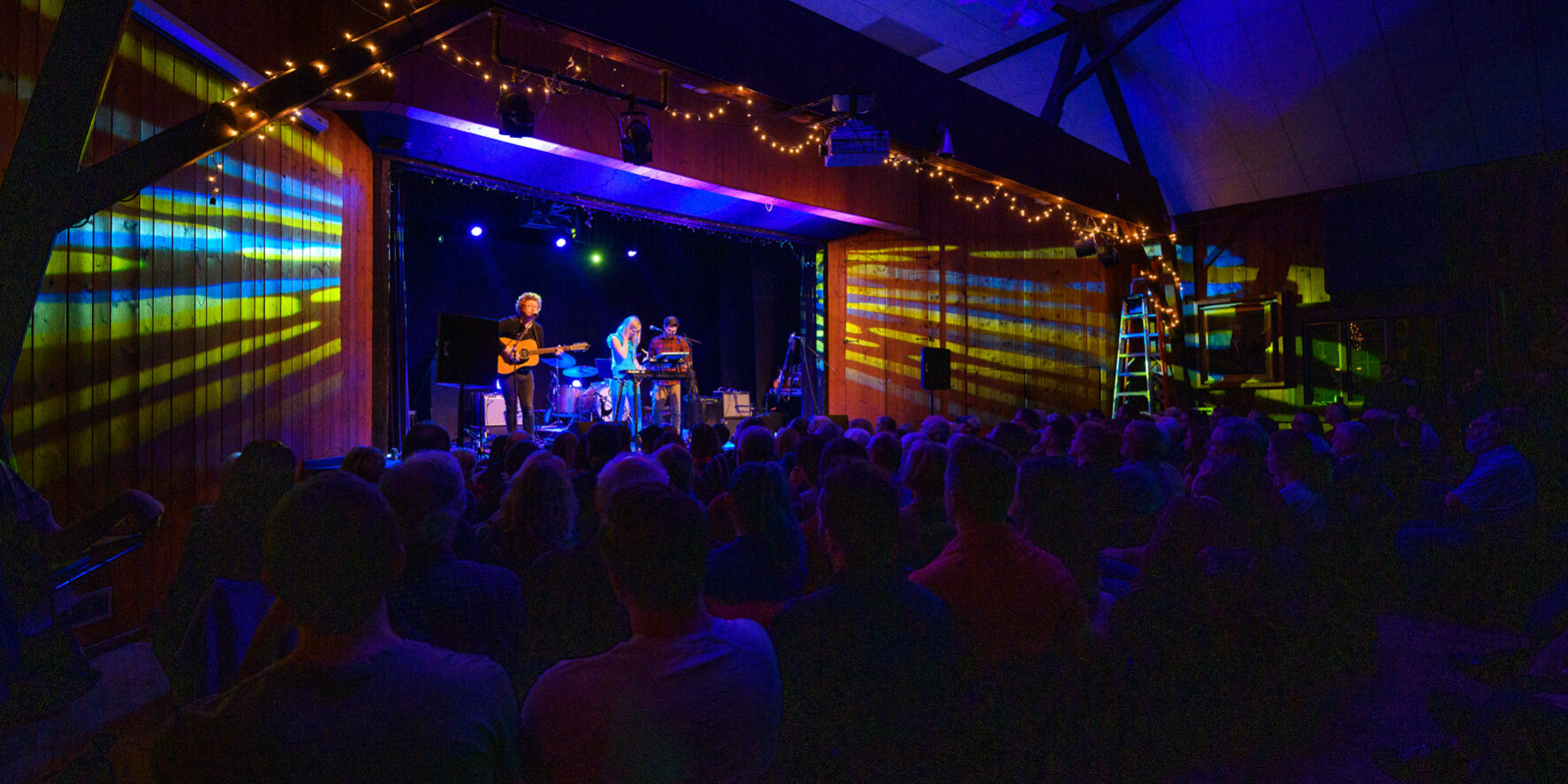
Photo from Arden Concert Gild
Key Provisions in Senate Substitute 1 for Senate Bill 181
SS1 for SB181 would regulate third party ticket sales by establishing comprehensive consumer protection and transparency requirements for Delaware’s secondary ticketing market. These regulations include price caps, disclosure mandates, and anti-bot provisions. This bill would regulate ticket sales for the following groups, with particular emphasis on resale/secondary ticket market:
- “Primary Ticket Seller” means any person who has the right to sell the ticket prior to or at the primary sale of the ticket
- “Primary ticketing platform” means a website or other system owned, operated, or authorized by an event organizer or venue operator that is used to conduct or facilitate the initial, primary sale of tickets.
- “Secondary ticket exchange” means an electronic marketplace enabling the sale, purchase, and resale of tickets.
- “Resale” means the second or subsequent sale of a ticket by any method
Specifically, the bill includes the following consumer protections:
- Resale Cap: Resellers or secondary ticket exchanges may not sell a ticket for more than 110% of the original total price of the ticket.
- Ban on Speculative (“Fake”) Tickets: Resellers are prohibited from selling or offering to sell speculative tickets, or tickets not in the actual possession of the reseller at the time of listing, sale or advertisement. “Speculative tickets” includes both tickets not owned by the reseller or under contract to be transferred to the reseller at the time of resale.
- Pricing Transparency: All tickets, including primary sellers, secondary sellers, and resellers, are required to “clearly and conspicuously” disclose the total price, inclusive of any fees, taxes, etc. before the final purchase. An itemized breakdown of all components of the total price is also required.
- Deceptive Marketing: Secondary ticket exchanges and resellers are prohibited from using deceptive URLs and improper use of intellectual property without prior authorization from the artist, venue, or event organizer. These restrictions include the use of the artist or venue’s names, promotional materials, words like “official”, paid advertising, and URLs or search engine monetization to promote their resale.
- Banning Bots: Resellers may not use bots (machines that bypass limits on the number of tickets that can be purchased) to purchase tickets, order multiple times to bypass any ticket limits, and disable or circumvent any queues or presale codes. Primary ticket sellers are required to report any known bot attempts to the Division of Consumer Protection of the Department of Justice.
- Ticket Licensing: Supports/codifies the authority primary ticket issuers to revoke tickets sold in the secondary and resale market, if it goes against their outlined policies on conduct, behavior, health and safety, and/or age.
Read the full bill text here: https://legis.delaware.gov/BillDetail/142467
What would this mean for Delaware?
While Delaware may not have the giant stadiums that play host to Taylor Swift’s Eras Tour, which sparked national debate and legal action around consumer ticketing protections, we do have a thriving ecosystem of live entertainment venues and audiences who stand to benefit.
According to the National Independent Venue Association (NIVA), Delaware’s “the State of Live” Report, which outlines the economic impact of independent live entertainment in the state, Delaware’s industry produced $175 million in total economic output in 2024, including $6.1 million in taxes paid and $13.8 million in off-site tourism spending while patronizing these venues.
The CREATE Plan, released in 2024 by Delaware Arts Alliance also lends helpful insight into the prevalence and strength of the performing arts subsector. Our research found that of the 2,500+ creative economy assets in Delaware, 8% represent the performing arts subsector. The CREATE Plan’s Economic Impact Study also found that the performing arts subsector employs 547 individuals, generating a total output of $46M annually, and a total gross value added (GVA) of $2M to Delaware’s economy.
In August 2025, Delaware Arts Alliance surveyed its member organizations on various policy initiatives underway, including SB181. Of the 26 responses, 92% said that they support the goals of this legislation, 88% said this legislation will benefit Delaware’s creative economy.
Arts leaders representing arts organizations all over the state have expressed support including the following.
Freeman Arts Pavilion’s Executive Director, Patti Grimes, says:
“For an arts organization like Freeman Arts Pavilion, maintaining trust with our patrons is essential to our mission and growth. When ticketing is fair and reliable, more Delawareans feel confident attending events, allowing us to expand our audience and ensure everyone in our state has access to the arts. SB181 supports this vision by protecting both our organization and the community we serve. These measures will help arts organizations like ours maintain accessible, high-quality programming and foster a positive experience for all patrons.”
Read Patti Grimes’ full letter here.
In 2025, in an interview with Delaware Online’s Adam Denn, Sen. Siegfried shared:
“We want to protect both the consumer and the artist… It’s more beneficial when more control of these events lies with the vendor and the artist, instead of some third party… It’s so sad, as it takes opportunities away from local fans. These people [resellers] aren’t paying local taxes or investing in local services… The money from concessions, local businesses, that doesn’t go back into the community with these resellers [hoarding the tickets].”
During the introduction of the original bill in June 2025, Ron Ozer, Executive Director and Primary Booking Person for Arden Guild Hall (a 501c3 non-profit in Delaware), provided public comment in favor of the bill. Among his comments, Ron Ozer shared:
“One of the most popular young artists touring now, Mitski, had so many tickets swept up by bots that she had to issue an apology to her fans by email and social media. She promised she would refund the obvious reseller blocks of tickets, reverse those purchases, and offer them again to her fans. Which is what she did. It wasn’t easy, but she managed it…”
“Our goal with this bill is to help the artists, venues, promoters, and producers and especially the fans – those who want to simply go to concerts but not help those who want to profit from other people’s work. From my work, for example. Concert promotion is about getting face value tickets in the hands of real music fans, not to line the pockets of middlemen profiting off fan-misfortune.”
Delaware Arts Alliance is also on record in support of this bill.
Executive Director, Neil Kirschling sent a letter of support to Delaware’s General Assembly, urging support for the bill to “remove barriers for participation in the arts, protect consumers, and support the arts organizations serving economic engines and cultural hubs in
our community.”
Read Neil Kirschling’s full letter here.
Additional Delaware stakeholders voiced their support in a joint advocacy letter sent on 4.21.26
National Context
On the national scale, this bill includes key components of the National Independent Venue Association (NIVA) “Fix the Tix” model legislation that promotes comprehensive ticket reform. NIVA’s campaign builds upon national criticism of the third-party ticketing industry, which includes corporations such as Stubhub, for predatory pricing strategies and mistreatment of ticket buyers. NIVA’s campaign categorizes legislation as either “fan-centric” or “anti-fan”, with a helpful graphic outline the differences, linked here.
NIVA’s review of Delaware’s bill positions it as a “strong consumer-focused bill”, highlighting provisions for resale caps, speculative ticket sales, ban on fake websites/deceptive URLs, and itemized pricing transparency. The legislation proposed for Delaware falls in line with similar efforts throughout the country.
In 2024, over 20 states and jurisdictions introduced event ticket legislation, approaching 100 individual proposed bills in total. Since then, additional event ticket and venue legislation has been introduced and is expected to continue to increase. In 2024, Maryland passed a similar bill, SB539, which NIVA called “a national model to hold predatory resellers accountable for defrauding fans.” Similarly, Maine legislation passed in 2025 has been heralded as a model for others. For more information, see the Event Ticket Sales Legislation tracker from the National Conference of State Legislatures.
Want to stay up to date?
- Follow DAA’s Bill Tracker for updates on legislation impacting the arts.
- Subscribe to the Delaware Arts Alliance’s Newsletter and social media to receive updates on this initiative and others impacting the arts and culture sector, linked here.