Cross-Sector Partnerships and Public Investment Drive Impact
Hear more testimonies from: DDOA’s CreatiVeterans Program DDOA’s Creative Aging Program The Delaware Division of the Arts (DDOA) is showing…
Since 2022, the Delaware Arts Alliance (DAA) has been driving a groundbreaking research process to propel Delaware’s creative economy and cultural tourism sector forward. The Creative Economy Advancement & Tourism Expansion (CREATE) Plan, an initiative led by DAA, engages Delawareans in shaping a shared vision for a thriving, inclusive, and interconnected creative economy. This project—which is the first of its kind in the nation—delves into the full creative landscape at the state, county, and city levels. Developed with input from over 600 Delawareans from all walks of life, the CREATE Plan tackles post-pandemic challenges and provides actionable solutions to strengthen Delaware’s creative economy.
Imagine a future where Delaware’s creative economy thrives, attracting visitors and driving economic growth. The CREATE Plan outlines clear steps to achieve this vision, including policy changes and investments for post-pandemic recovery. With the CREATE Plan in hand, Delaware can become a national leader in creative economy development, putting the arts and tourism on equal footing with other economic drivers. This plan affects everyone – artists, businesses, educators, and the public. By implementing these recommendations, we can all work together to unlock the creative economy’s potential and make the arts and tourism sectors not just survive, but thrive!
CREATE Plan Goals
The creative economy is a vibrant ecosystem—of individuals, businesses, and nonprofit organizations—collectively dedicated to producing, sharing, and celebrating cultural, artistic, and heritage-related goods, as well as services and activities. This sector encompasses a wide range of participants, from entrepreneurs and designers to filmmakers and publishers. It also includes contributors like venues, event organizers, educators, and an essential network of regional suppliers, manufacturers, and retailers who all play key roles in sustaining and enriching the creative economy.
Beyond its artistic value, the creative economy is a powerful economic driver that fuels innovation, research and development, tourism, and efforts in placemaking and branding.
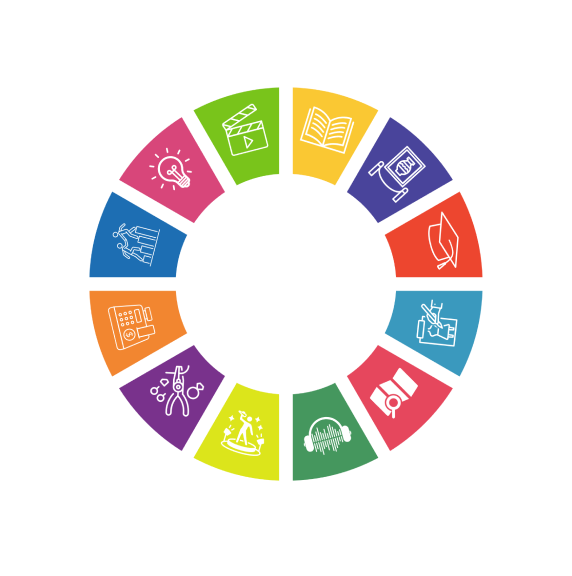
Based on the taxonomy provided by UNESCO, we define the creative economy as being composed of these sectors:
Artistic Creation & Performance:
Performers (musicians, artists, actors, dancers), writers, technical specialists (art restorers, sound technicians), performing groups (bands, orchestras, choirs, theatrical companies), visual artists (painters, sculptors), and media creators (filmmakers, directors, radio DJs)
Audiovisual & Interactive Media:
Film and video (production, distribution, theaters), radio and TV (stations, networks), software and music production, broadcasting and telecom equipment makers, news providers, interactive media developers, and internet streaming platforms
Books & Press:
Book publishing (print, electronic, audio), newspapers (print, distribution, ads), magazines and periodicals, directories and databases, greeting cards, other publishers (calendars, yearbooks, catalogues), printing services (print, apparel), and libraries and archives
Cultural & Natural Heritage:
Museums that preserve and exhibit historical, cultural, and educational artifacts, and zoos and botanical gardens that showcase live plant and animal collections
Cultural Education:
Organizations offering traineeships, universities with cultural and creative programs or business programs, public or private schools with cultural and creative programs, and independent instructors offering cultural and creative-related skills tutoring services
Design & Creative Services:
Interior designers, industrial design companies, graphic designers, fashion designers, costume and jewelry designers, architects, landscape architects, and advertising agencies
Industry Support – Retail:
Music stores (records, instruments, equipment), bookstores and wholesalers (retail and wholesale of books, newspapers, magazines), and film and video stores
Music Recording & Publishing:
Music publishers, recording studios, rehearsal spaces, record labels, and pre-recording producers and distributors
Other Professional & Business Support:
Ticket resellers, cultural and creative publications, other support services (accounting, marketing and social media, content creation, event production, licensing), nonprofits, charities, and artist associations
Performing Arts – Live Theater, Music, Dance, and Circus:
Venues (arenas, theaters, concert halls, multi-purpose spaces, parks, galleries, churches), nightclubs, bars/restaurants with live music, booking agencies, producers, festivals, and artist managers
Tourism:
Accommodation establishments, such as hotels and hostels, including bed and breakfasts
Visual Arts & Crafts:
Photographers (portrait, commercial), craftspeople (jewelry, woodworking, ceramics, weaving), art galleries, auction houses, and art dealers
Since its unveiling in summer 2024, the CREATE Plan has addressed post-pandemic challenges and offered actionable solutions to strengthen Delaware’s creative economy. One year later, its impact is beginning to take shape across the state. Progress on the CREATE Plan can come from anywhere. State leaders, local governments, arts organizations, and individual artists all have a role to play in advancing Delaware’s creative economy.
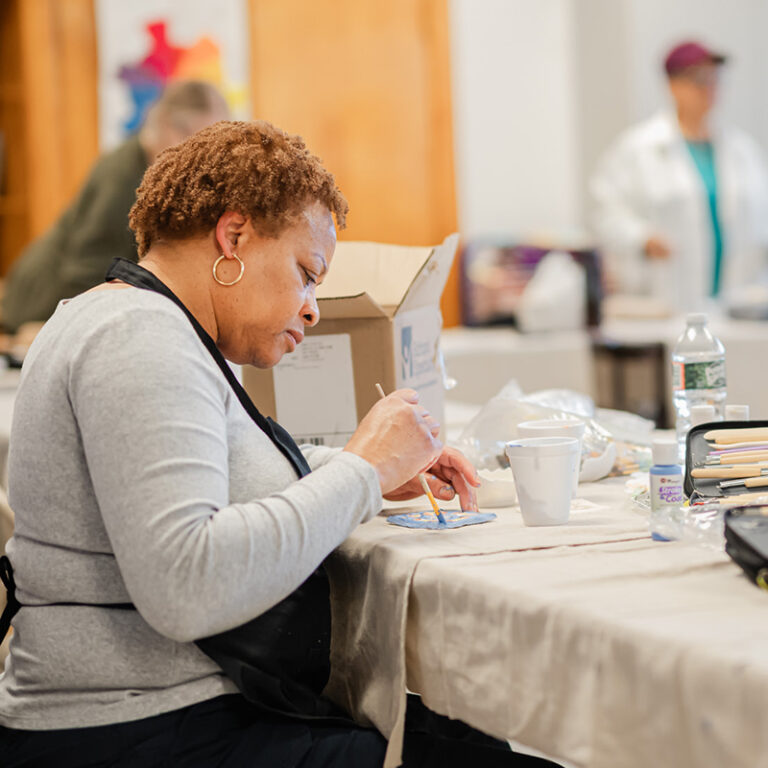
Hear more testimonies from: DDOA’s CreatiVeterans Program DDOA’s Creative Aging Program The Delaware Division of the Arts (DDOA) is showing…
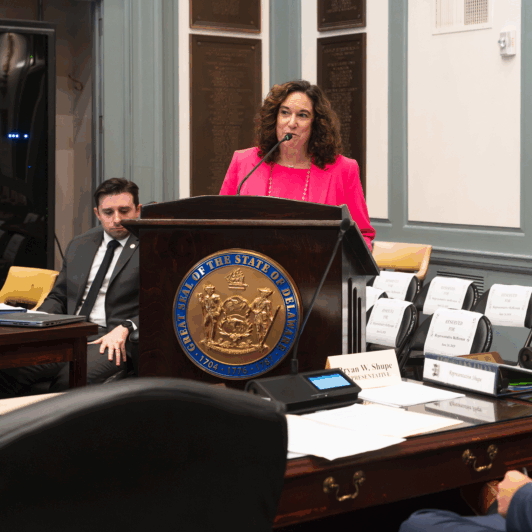
Delaware is making real progress toward building stronger pathways for students who want to pursue careers in the creative economy.…
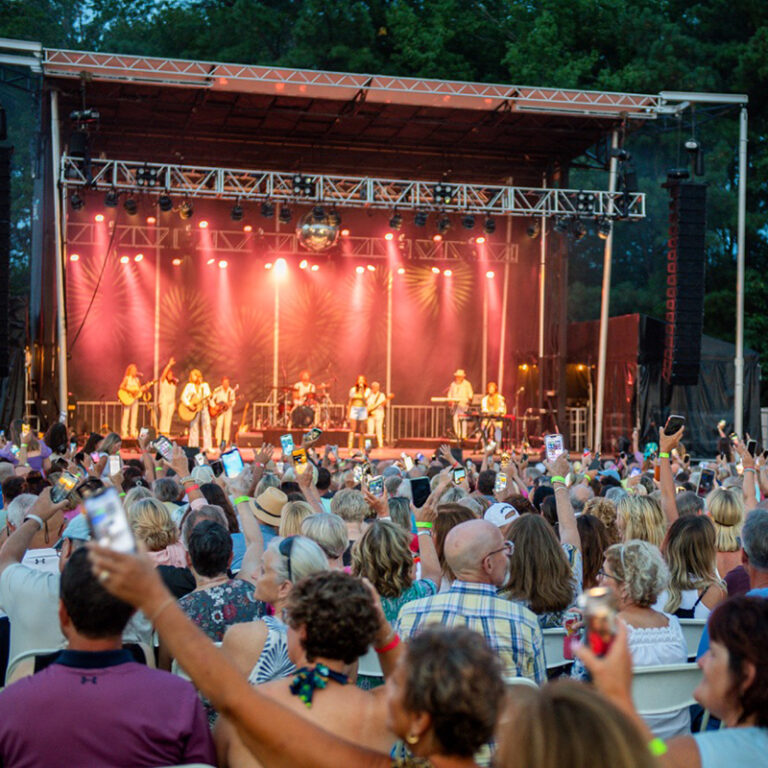
A key challenge highlighted by last year’s launch of the CREATE Plan is that many residents and creatives don’t view…
Help us celebrate the creative economy in Delaware and share your story for a chance to be featured.
The DAA partnered with global consultancy Sound Diplomacy to develop the CREATE Plan. We used a five-step research process to gather information and insights:


25 Focus Groups
227 Focus Group Attendees
336 Survey Participants
10 Community Engagement Captains
55 Launch Event Attendees

Read the Case Study on the CREATE Plan by Sound Diplomacy.

In 2021, Delaware’s creative economy had a total output of $3.7 billion and a total Gross Value Added of $2.2 billion.

Every $1 of output of the creative economy = an additional output of $0.60 for the rest of the economy.

The creative economy supports 18,551 jobs (4.1% of Delaware jobs), including jobs that supply goods and services to the creative economy and jobs created by the spending of creative economy workers.

2.35% of Delaware’s workforce is directly employed in creative and cultural tourism sectors, surpassing industries like wholesale trade and agriculture.

The average income in the creative economy 29% higher than the rest of the economy, but there are large income disparities, with salaries ranging from $29K to $93K.

Delaware’s creative economy consists of 70.7% small businesses, a higher percentage than the overall economy’s 58.5%, and has a self-employment rate of 17.8%.

The creative economy is made up of 35% women, compared to 49.4% in the rest of the economy. In addition, men earn on average 39.9% more than women.

Black individuals compose 12.3% of the creative economy workforce, which is significantly lower than their proportion of the general population at 21.5%.
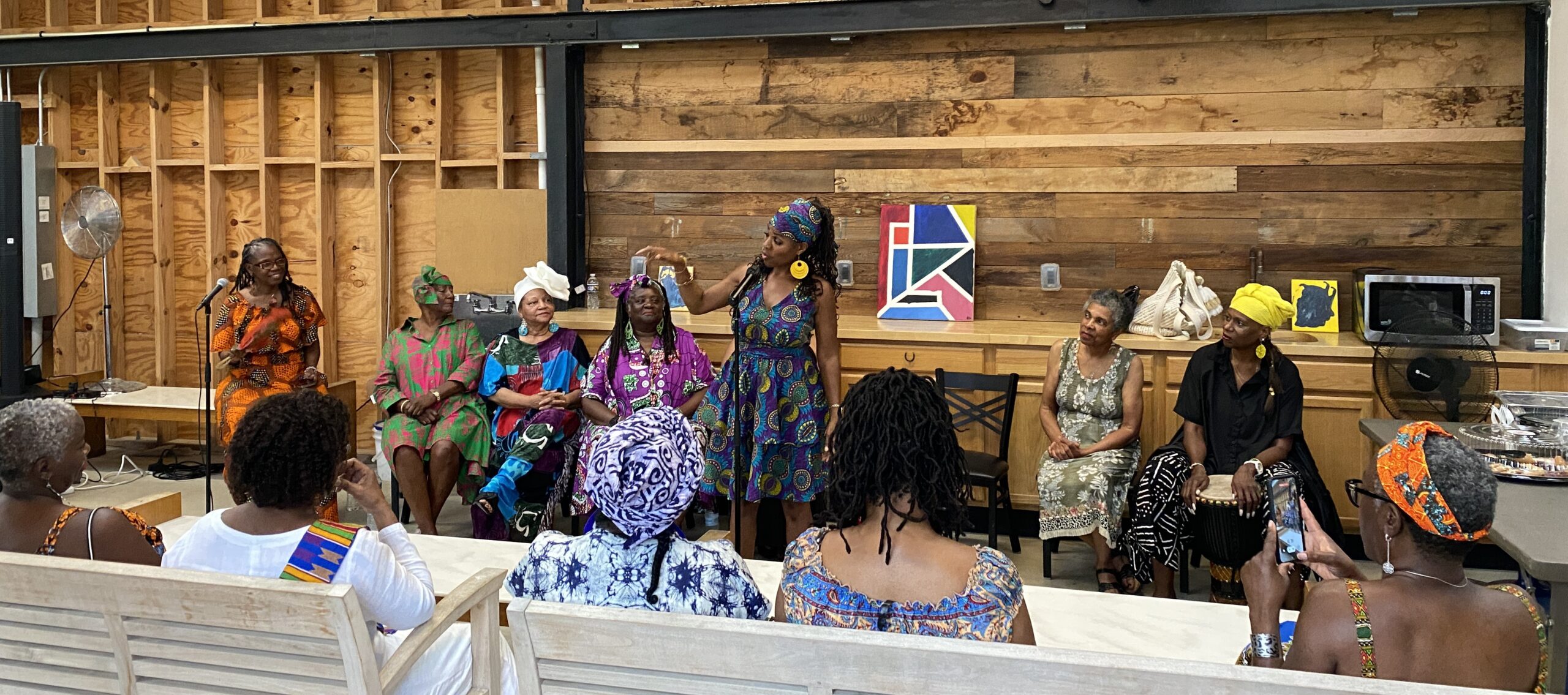
Delaware’s creative economy thrives with a significant economic impact but faces challenges like uneven distribution across regions, limited collaboration, outdated regulations, and a need for more cultural hubs.
Delaware’s creative workforce thrives in small businesses and self-employment (88.5%), enjoys a higher average income than other sectors, but faces income inequality (gender pay gap, racial wealth divide), and needs better business support and compensation structures.
Delaware is home to a significant tourism industry but tourism is not fully integrated with the creative economy and the state is not perceived as a cultural tourism destination by 78% of creatives and 75% of cultural sector organizations, who indicate that they do not rely on tourism for income.
Delaware’s creative economy lacks consistent funding and funding structures that prioritize equity. While 68% of creative institutions have received grants in the last two years, 67% of creative individuals have not.
Improved arts education is needed to establish a thriving creative ecosystem. Lack of equity, access, and funding remain persistent challenges to arts education in Delaware, disproportionately impacting rural areas, low-income students, communities of color, and educators.
More accessible and formalized professional development is needed to support Delaware’s creative economy – including education focused on marketing, social media, fundraising, business, and financial management.
Creative infrastructure is limited and geographically uneven in Delaware, which performs below the national average for multiple sectors. Lack of public transportation for marginalized communities, limited rehearsal and workshop spaces, and lack of access to cultural activities are all notable developmental opportunities.
Creatives in Delaware need help to market their work to a broad audience effectively. Despite strong local interest in cultural offerings, word-of-mouth promotion is emphasized over social media and digital marketing, and audiences lack access to information about events and activities.
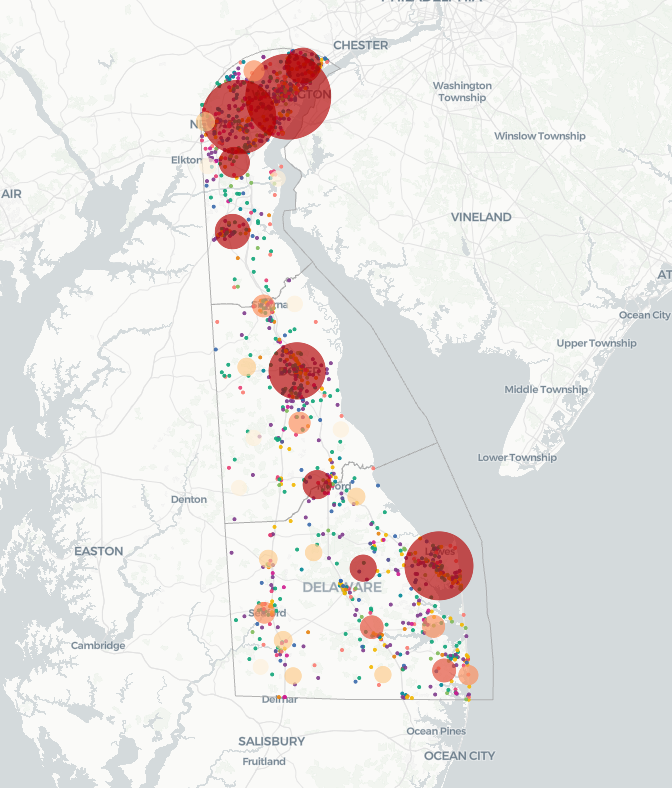
Ready to take a closer look at Delaware’s creative landscape? An exciting feature of the CREATE Plan is our asset map, which provides an interactive visual index of 2,534 creative economy assets across the state. The asset map is the ultimate resource for anyone seeking to get to know the creative community and get involved. Over the past year, the map has been enhanced with American Community Survey data overlays that show creative assets in relation to household income, education, race, and transportation routes.
Here are a few ways it can be used:
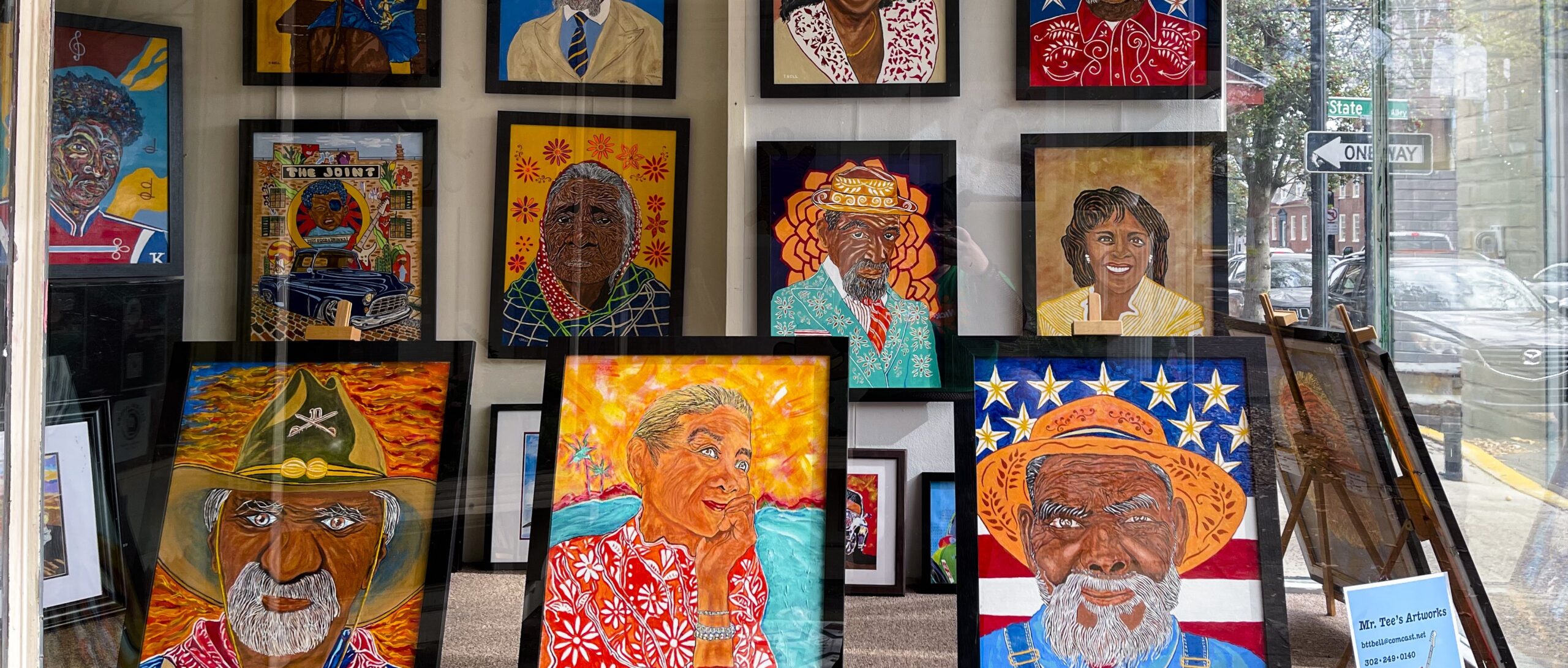
Based on data and insights from the full report, the CREATE Plan provides targeted recommendations and actionable steps—for government partners, businesses, nonprofit organizations, and other stakeholders—to help nurture and grow Delaware’s burgeoning creative economy. Key recommendations are organized according to the various verticals and opportunities outlined in the report. We also encourage you to explore the full report which contains international case studies, considerations for implementation, guidelines for Diversity, Equity, Accessibility, and Inclusion (DEA&I), and benchmark examples for each recommendation.
Delaware’s creative and cultural tourism sector has the potential to be a powerful economic force but while some areas are thriving, there’s still room for growth. These recommendations include encouraging collaboration among different creative groups and streamlining the processes to get permits for events. By working together and making it easier to showcase creativity, we can cultivate a more vibrant and accessible creative economy in Delaware. This, in turn, will address issues like diversity, equity, and accessibility (DE&A) within the arts, stimulate economic activity, and ultimately lead to a richer tourism offering for the state.
Delaware’s creative industries contribute significantly to the state’s economy but despite strong support for small and independent businesses, significant disparities exist along sector, gender, and racial lines. In order to address these inequities and realize a true creative ecosystem, developing fair pay guidelines for artists, creatives and other industry professionals will be a critical first step. Additionally, more regulatory oversight is needed to foster Delaware’s Audiovisual and Interactive Media sector, which employs the majority of creatives in the state.
Many stakeholders indicated that Delaware’s tourism sector should amplify local arts and culture. However, the state faces a branding challenge as a “pass-through” between major cities like Philadelphia and New York. This proximity provides easy access to out-of-state activities but also offers an opportunity to distinguish Delaware’s creative economy. To become a tourism destination, recommendations are focused on integrating local culture into tourism—particularly in the southern region—and promoting special events that can appeal to tourists seeking unique and authentic experiences.
While private and public funding streams for the creative economy exist in Delaware, stakeholders express that financial support is inconsistent, unreliable, and insufficient. In order to move toward a more sustainable funding model, a recommended strategy will be to identify additional revenue streams from a variety of sources, while also ensuring that access to funding is more accessible and equitable to all members of the creative community.
Arts education in Delaware lacks equal distribution and does not adequately support all students, especially those in secondary education. A robust arts education is crucial for a thriving creative economy and benefits other sectors and the state’s economy as a whole. While Delaware has talented arts educators and some opportunities at primary and higher education levels, there is a need to bridge the gap between students and higher education in creative fields, promoting the creative economy as a valuable path for professional development.
A need for more accessible and structured professional development was a recurring sentiment amongst survey respondents and stakeholders. Members of the creative economy resoundingly shared a desire to learn skills for marketing, social media, and fundraising, as well as business and financial management. Creating more resources for enhanced professionalism—and making them widely available to the creative community—will be essential to helping individuals, businesses, and nonprofit organizations achieve greater independence and contribute to a thriving creative economy in Delaware.
Currently, Delaware faces challenges with underdeveloped civic infrastructure, which is crucial for enhancing employment quality, attracting cultural tourists, and targeting key sectors. With this in mind, a vast majority of the recommendations provided are oriented towards stimulating job growth and professionalization. While building new infrastructure may be challenging, repurposing underused spaces in downtown areas and addressing transportation equity are vital steps for a fair and accessible creative economy in Delaware.
Delaware’s diverse audiences are eager to engage with its creative economy, but marketing efforts need enhancement along with additional support, funding, and professionalization to cultivate these audiences. Despite a broad tourism offering, the state lacks a strong brand for its creative economy and faces gaps in understanding and supporting its full potential, especially for BIPOC and women. The way forward involves developing assets and opportunities across the state, prioritizing equity, and recognizing the creative economy’s value as an economic, social, and cultural driver.
CREATE Plan Executive Summary
Full CREATE Plan
CREATE Plan Launch Event Presentation
CREATE Plan One-Pager (English)
CREATE Plan One-Pager (Spanish)
CREATE Plan One-Pager (Haitian Creole)
CREATE Plan Launch Event Summary
CREATE Plan – Full Presentation by Sound Diplomacy
New Castle County Summary
Kent County Summary
Sussex County Summary
Economic Data One-Pager
Recommendations One-Pager
Asset Map One-Pager
Education One-Pager
Tourism One-Pager
Business Leaders One-Pager
Policymakers One-Pager
Talking Points to Use With Elected Officials

Be a Voice for the Creative Economy
Become a CREATE Plan champion and spread the word! Our toolkit provides social media posts, email copy, and other resources to help you spread the word and build support for this groundbreaking initiative.

Download Our Press Kit
Please find media resources below. For all press inquiries or for more information about the CREATE Plan please contact: info@delawareartsalliance.org.
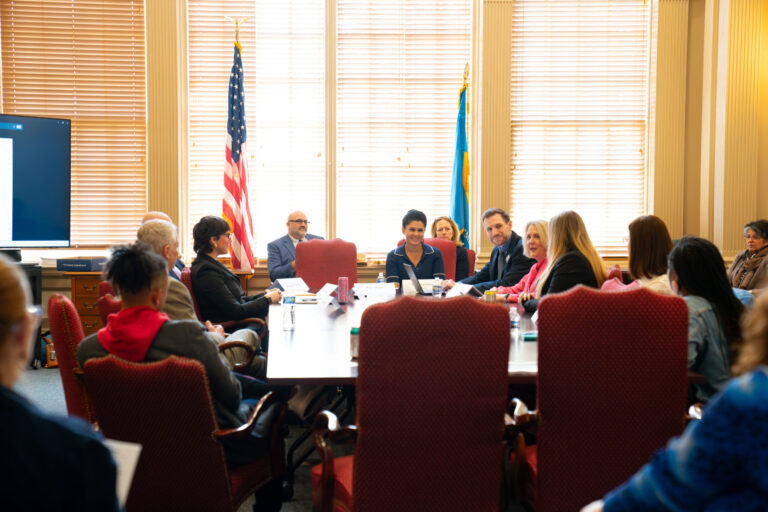
2026 End of Legislative Session Summary During the early hours of July 1st, the legislature gaveled out to end the…

Delaware Honors 40 Students at Second Annual “Future in the Arts” Celebration Graduating Seniors Recognized for Commitment to Arts Education…
New legislation from Senator Russ Huxtable requesting the Delaware Division of the Arts (DDOA) to report recommendations for a potential…

Interested in the CREATE Plan and other exciting developments in the creative economy? Sign up for our mailing list to receive news from the Delaware Arts Alliance!
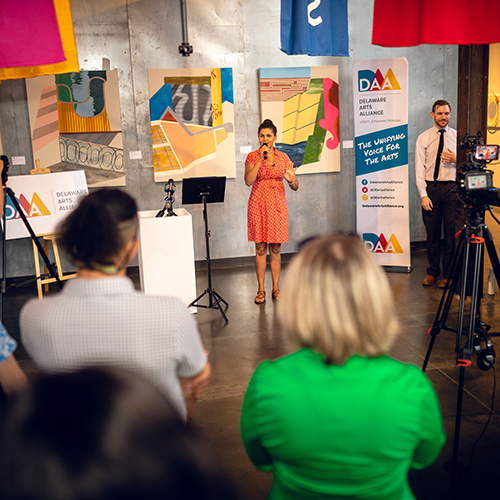
How to boost Delaware’s creative economy: arts advocates roll out recommendations
WDEL
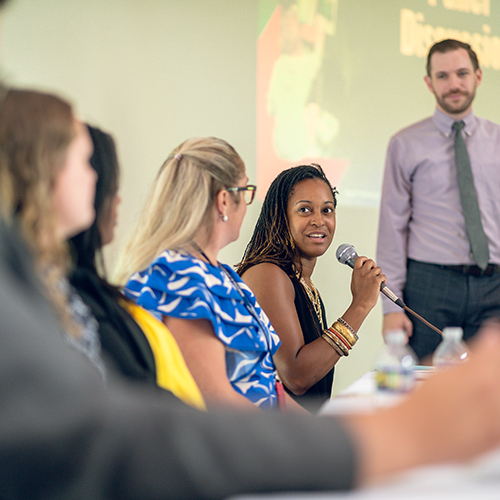
Delaware study aims to revitalize state’s arts and culture with new online map to boost economy and tourism
WHYY
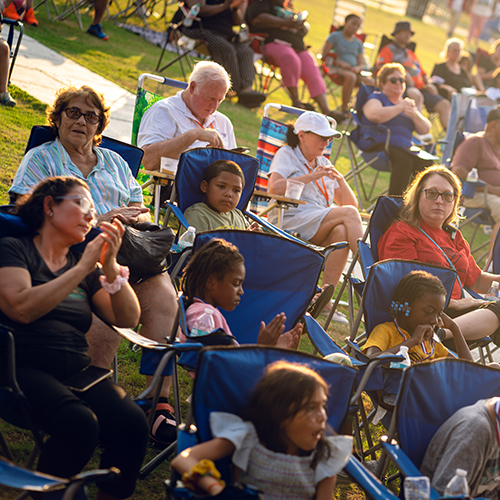
Supporting the Creative Economy – Cultural Tourism Matters
Delaware Business Times
Hear from a diverse range of people and organizations who contribute to and support Delaware’s creative economy! By shining a light on their challenges, opportunities, and successes, we can build a brighter and more vibrant future for the creative and tourism industries in Delaware.
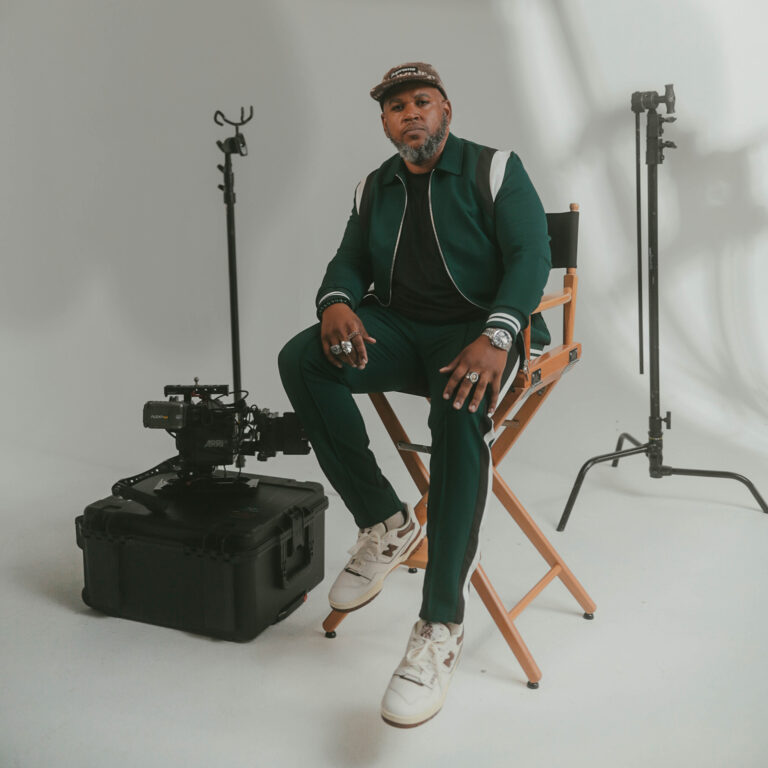
Andre’ Wright Jr. celebrates Delaware’s culture and life through his lens, bringing to light the rich, often untold narratives of…

As VP of Engagement at OperaDelaware, Kerriann Otaño isn’t just an opera aficionado; she’s a bridge builder for the state’s…
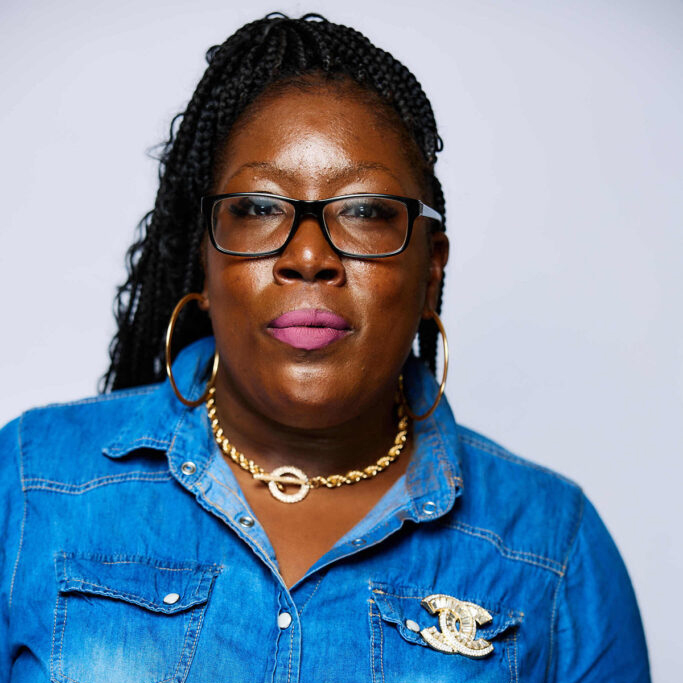
Sadé Truiett is a dedicated advocate for Delaware’s creative economy. Her background in education and civic engagement has centered on…
The CREATE Plan’s funding was announced by Governor Carney in February 2022. The DAA received support from the American Rescue Plan Act (ARPA) through the Delaware Division of Small Business. This funding is part of the Economic Development Administration’s (EDA) American Rescue Plan Travel, Tourism & Outdoor Recreation program. The EDA program aims to bolster the economic recovery and resilience of communities significantly affected by the coronavirus pandemic within the travel, tourism, and outdoor recreation sectors.
The DAA also receives funding for general operations and organizational support from the Longwood Foundation, The Welfare Foundation, the Delaware Division of the Arts, the Delaware Department of Education, and our member organizations, which helped inform the CREATE Plan’s development.
Lorem ipsum dolor sit amet consectetur. Bibendum nunc eget risus cras magna cursus sit venenatis lorem. Bibendum nunc eget risus cras magna cursus sit venenatis lorem.
For inquiries, please contact info@delawareartsalliance.org.
Sign up for our newsletter to receive updates on the CREATE Plan and upcoming initiatives across Delaware’s arts community.